


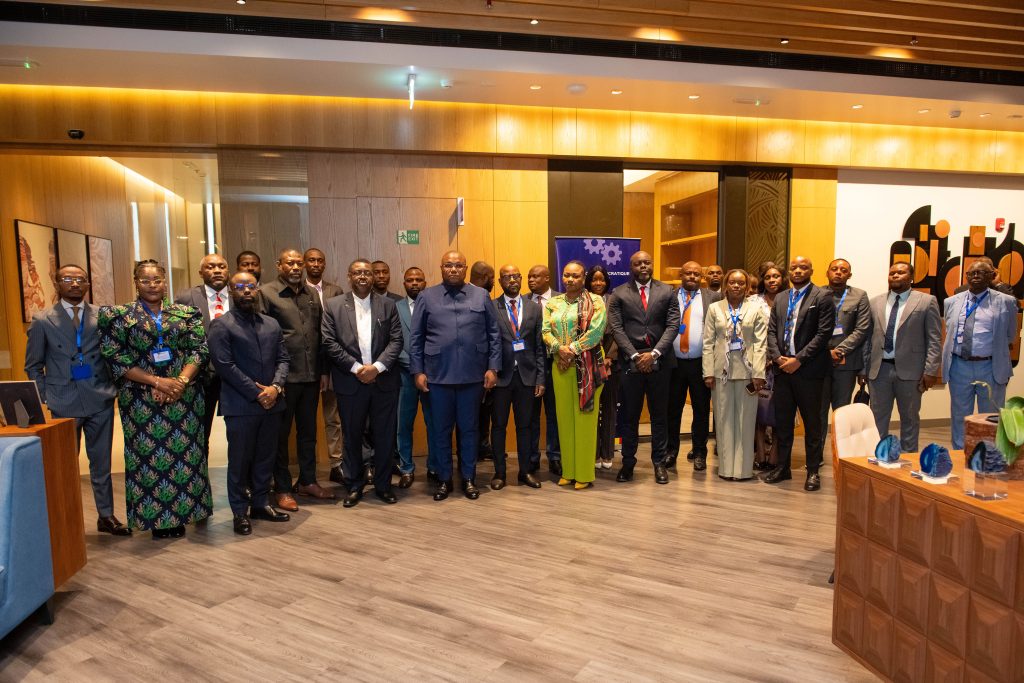
Kinshasa, November 2026 — With 28 executives and staff members trained and a 95.7% pass rate in the first collective examination session, Zylloo Consult has successfully completed the training phase of an international risk management capacity-building programme delivered to the Industrial Promotion Fund (FPI), in collaboration with PECB.
A strategic initiative to strengthen institutional governance
In an economic and institutional environment increasingly characterised by uncertainty, an organisation’s ability to anticipate and effectively manage risks is a determining factor in its performance, resilience and good governance.
Recognising these challenges, the Industrial Promotion Fund (Fonds de Promotion de l’Industrie – FPI), a public institution responsible for financing industrial development in the Democratic Republic of the Congo, initiated a capacity-building programme to strengthen the competencies of its executives and staff in risk management, in accordance with the guidelines of the ISO 31000:2018 international standard.
Implemented by Zylloo Consult, in collaboration with the international certification body PECB, this initiative forms part of FPI’s ongoing efforts to strengthen its governance mechanisms, improve the quality of its decisions and enhance the management of risks associated with its activities.
An opening ceremony highlighting the commitment of FPI’s top management
The opening ceremony, held on 19 October 2026, was presided over by FPI’s Deputy Director General, Mr Blaise Mastaky Birindwa, representing the institution’s Director General.
In his opening remarks, the Deputy Director General emphasised the importance of making risk management a shared responsibility extending beyond specialised departments and involving all levels of the organisation.
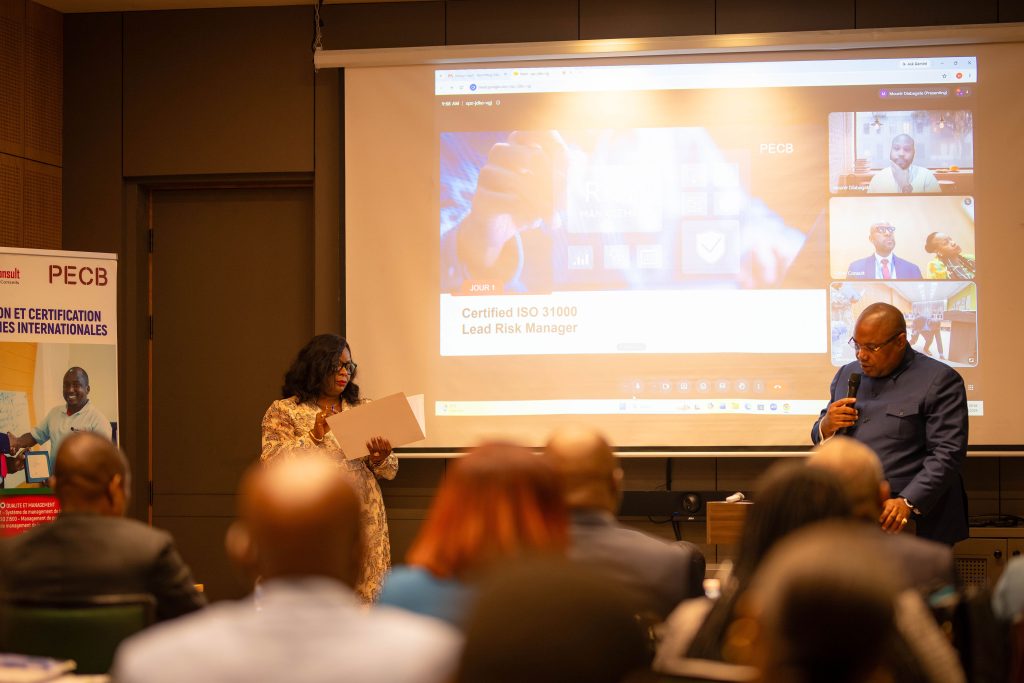
Prior to the official opening of the training session, FPI’s Director of Risk Management and Zylloo Consult’s Lead Consultant also delivered remarks highlighting the context, objectives and institutional significance of the programme.
In his address, Zylloo Consult’s Lead Consultant commended the involvement of FPI’s senior management, describing it as a practical demonstration of the principle of leadership, which is fundamental to management systems and, more specifically, to the establishment of an effective risk management framework.
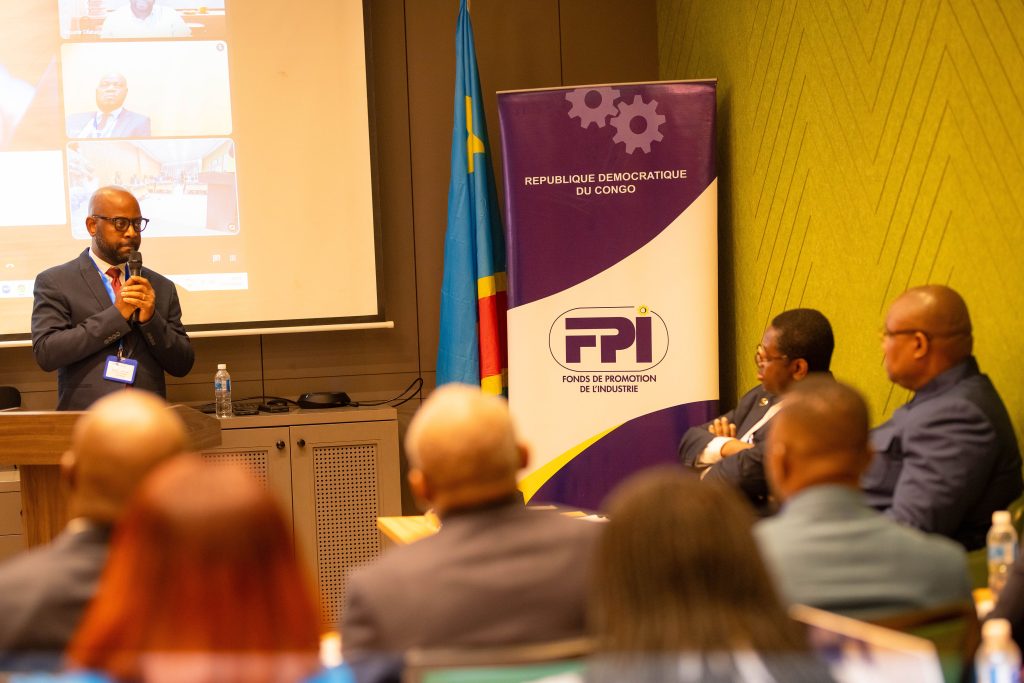
Indeed, ISO 31000:2018 places leadership and commitment at the heart of the organisational risk management framework. The involvement of senior management is essential to ensuring that risk considerations are integrated into an organisation’s governance, strategy and decision-making processes.
The presence and commitment of FPI’s senior management at the launch of the training programme therefore demonstrate the institution’s willingness to position capacity building within a broader agenda of governance improvement and organisational performance.
This approach reflects a fundamental principle: risk management should not be confined to an isolated technical function. Rather, it should progressively become an integral component of organisational culture, strategic planning and decision-making processes.
Four days of training to develop practical risk management competencies
Held from 19 to 22 October 2026 at the Four Points by Sheraton in Kinshasa, the PECB ISO 31000 Lead Risk Manager training brought together 28 executives and staff members from FPI.
Facilitated by Mr Mounir Diabagate and Mr Cezzy Kanionga, holders of the PECB Lead Risk Manager and PECB Emerging Risks Manager certifications, respectively, the training sessions enabled participants to deepen their understanding of the risk management principles, framework and process defined by ISO 31000:2018.
The programme covered the following key areas:
- Fundamental risk management principles and their integration into institutional governance;
- Risk identification, analysis, evaluation and treatment;
- Qualitative and quantitative risk analysis methods and techniques;
- Development of risk assessment matrices and risk registers;
- Risk monitoring through relevant indicators and early warning mechanisms;
- Communication, reporting and continuous improvement of risk management frameworks.
Beyond theoretical presentations, the training methodology emphasised experience sharing, case studies and practical exercises to align international concepts and practices with the operational realities of a development finance institution.
Participants explored how risk management tools could contribute to a more comprehensive assessment of financed projects, the protection of institutional resources, improved management of operational risks and enhanced decision-making.
By combining theoretical knowledge with practical applications, the training approach was designed to facilitate participants’ understanding and effective use of risk management tools within their respective professional environments.ransposition dans l’environnement professionnel des participants.
Encouraging results following the training programme
The educational phase of the program was completed with effective participation of all registered candidates. A collective PECB ISO 31000 Lead Risk Manager certification examination session was subsequently organised on 30 October 2026 under the coordination of Zylloo Consult. The session recorded a 95.7% pass rate among candidates who sat the examination.
This result provides an encouraging indication of knowledge acquisition, participant engagement and the effectiveness of the training methodology adopted.
Beyond training: integrating risk into institutional decision-making
The strategic value of a capacity-building programme cannot be measured solely by the number of participants trained or the results achieved in certification examinations.
It also lies in the ability of beneficiaries to translate newly acquired knowledge into sustainable professional practices and contribute to the improvement of organisational processes.
For an institution such as FPI, applying the ISO 31000 guidelines can contribute to several complementary objectives.
Enhancing the quality of financing decisions. More rigorous risk identification and assessment enable the institution to better understand uncertainties associated with industrial projects, their viability and the broader economic environment in which they operate.
Strengthening governance and accountability. Integrating risk management into decision-making processes promotes clearer responsibilities, improved information flows and more structured oversight of factors that may affect institutional objectives.
Developing a culture of prevention and anticipation. The use of tools such as risk registers, Key Risk Indicators (KRIs) and early warning mechanisms enables organisations to prioritise proactive risk management rather than reacting to adverse events after they occur.
Supporting institutional performance and resilience. A coherent approach to risk management contributes to business continuity, the protection of resources, the creation and protection of value, and the achievement of strategic objectives.
These perspectives represent practical opportunities for applying the competencies acquired during the training. Their realisation will depend on the progressive adoption of risk management tools and principles by the relevant departments, managers and stakeholders.
A partnership reflecting Zylloo Consult’s commitment to institutional excellence
Through this programme, Zylloo Consult reaffirms its commitment to supporting public and private organisations in developing their competencies, improving their management systems and strengthening their organisational performance.
The firm provides expertise in institutional advisory services, strategic planning, quality management, project management, risk management and professional capacity building.
The successful delivery of this training programme, in collaboration with PECB, reflects Zylloo Consult’s commitment to bridging the gap between international standards, management best practices and the operational needs of African organisations.
This collaboration highlights the importance of partnerships between public institutions and specialised consulting firms in promoting professional excellence and developing sustainable institutional capabilities.
Conclusion: From Individual Competencies to Collective Performance
The completion of this program marks an important step in strengthening the FPI’s risk management skills.
With a recorded success rate of 95.7% during the first exam session, this initiative provides an encouraging basis for continuing the integration of good risk management practices within the institution.
The next challenge lies in the transformation of these individual achievements into sustainable institutional capacities, through tools, processes and behaviors promoting proactive governance.
Because a successful organization is not one that eliminates all uncertainty, but one that develops the capabilities necessary to understand it, anticipate it and make informed decisions.
Zylloo Consult — Consultancy, Training & Capacity Development